What is gordolobo?
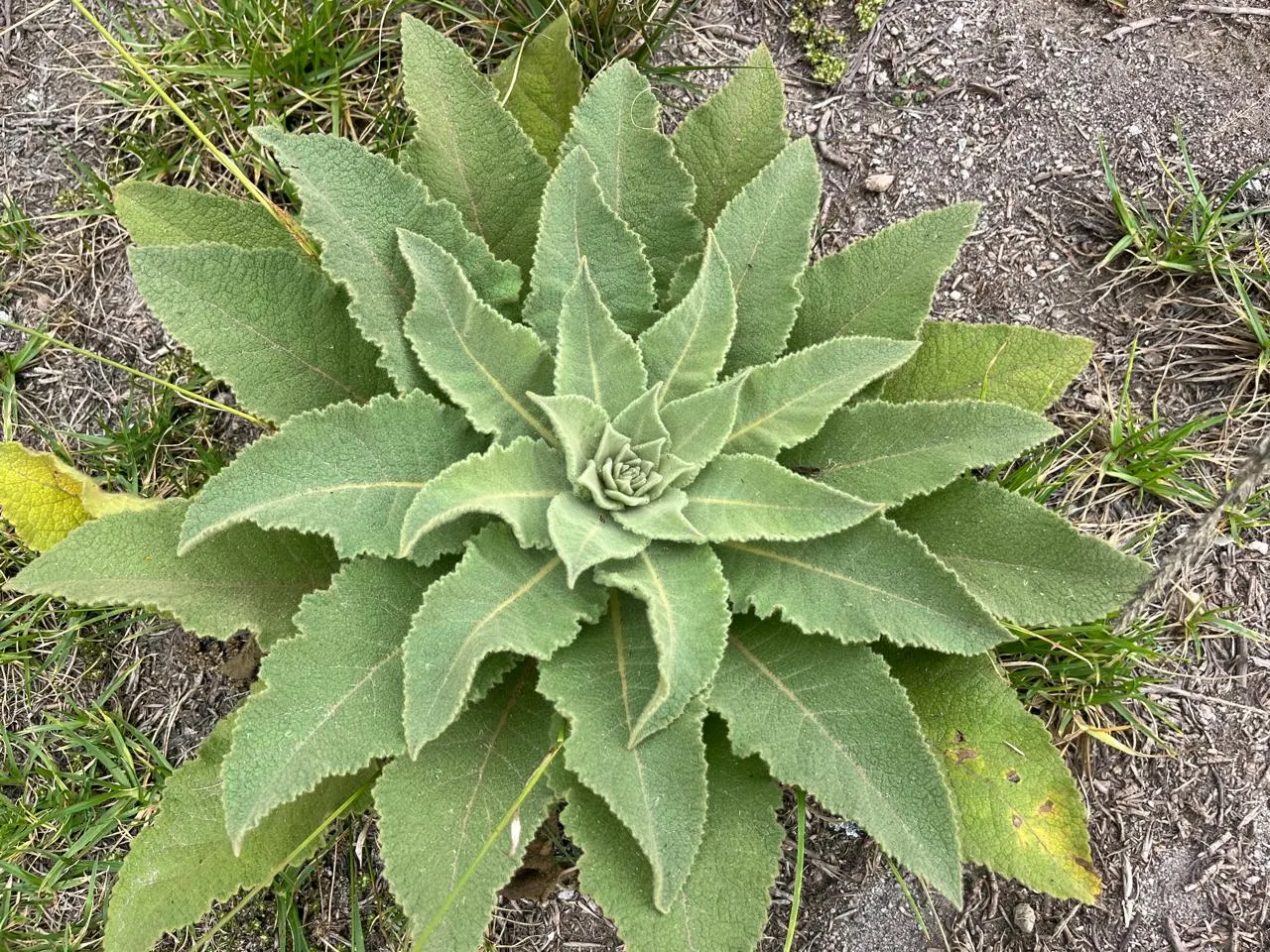
Gordolobo, known scientifically as Verbascum thapsus, is recognized for its soft, velvety leaves and its ability to grow in open, exposed places. It often appears in landscapes where the soil has been disturbed, making it especially interesting in areas where nature is slowly reclaiming space.
Why this plant matters near the Equator
The region around Quito combines altitude, strong sunlight, seasonal dryness and changing soils. Plants that grow here naturally must be resilient. Gordolobo is one of those species that helps visitors notice something important: even a simple-looking plant can reveal how life adapts to a challenging landscape.
Traditional knowledge and careful interpretation
In different cultures, gordolobo has been associated with traditional herbal uses, especially in relation to respiratory comfort. For visitors, the value is not in treating it as a remedy, but in understanding how plants often carry stories of local knowledge, adaptation and human curiosity.
A plant that invites slower travel
Many travelers pass through the Equator region looking only for a monument photo. This plant offers a different invitation: slow down, look closer and notice what is already growing in the landscape. That is the spirit behind Equator Nature Walk.