It starts with the landscape
The experience is built around real vegetation and ecological observation, not around an artificial setup created only for photos.
Equator Nature Walk is a quiet nature experience near Quito, Ecuador, created for travelers who want to explore the Equator region in a more authentic way. Walk among wild yellow flowers, resilient plants, birdlife, and native vegetation while discovering how life grows and adapts in this Andean landscape.
Instead of building an artificial attraction, Equator Nature Walk begins with the living landscape itself: wild vegetation, resilient native species, subtle ecological details, and the stories that connect place, climate and culture.
Learn about the plant life that naturally survives and thrives in this Equator-side environment.
This is not a manicured botanical display. It is a more honest, local and ecological encounter with the land.
This landscape is full of subtle activity. Insects, spiders and other small forms of life reveal how the ecosystem functions up close, offering a different way to observe and understand nature.
The value is not only in what you see, but in how it is explained—through landscape, local context and guided storytelling.
Many visitors near Quito see the Equator through busy attraction stops. Equator Nature Walk takes a different route: quieter, more local, more organic and more interpretive.
The experience is built around real vegetation and ecological observation, not around an artificial setup created only for photos.
Travelers increasingly want experiences that feel rooted in place. This concept is grounded in what naturally exists here.
This is not a finished attraction, but a space that grows naturally. Each visit reveals new plant life, subtle changes and evolving details that make the experience more meaningful over time.
This is a growing field journal based on real observations in Caspigasi, near the Equator and Quito. Each plant, texture and small detail reveals how life survives, adapts and slowly transforms the landscape in this unique environment.
Discover species like gordolobo and other wild plants that thrive in this Equator-region environment. Each one reflects resilience, adaptation and the natural conditions of the Andean terrain.
Some species do more than grow. They improve the soil, support other plants and reveal how ecosystems recover over time through quiet and natural processes.
From textures and shapes to small forms of life, this experience invites you to slow down and understand the landscape through observation, interpretation and real connection with nature.
Equator Nature Walk is not a typical tourist stop. It is designed for travelers near Quito who want to explore the Equator region in a slower, more meaningful way, through nature, observation and real connection with the landscape.
Couples, families and small groups looking for a flexible and quiet nature experience, away from crowded attractions near Quito.
Travelers interested in native plants, wildflowers and understanding how nature grows and adapts in the Equator region.
People staying in Quito who want a short, authentic experience near the Equator, beyond the usual monument visit.
These FAQs help both travelers and search engines understand the purpose of the experience from the start.
It is a guided nature experience near Quito focused on native flora, quiet observation, local interpretation and the natural setting of the Equator region.
No. This concept is designed as a more natural and interpretive alternative for travelers who want a deeper sense of place beyond the classic monument stop.
This is not a birdwatching experience. The focus is on native flora, wild growth and the natural processes shaping this landscape near the Equator. While wildlife may occasionally be present, the experience is designed around understanding the environment rather than spotting specific species.
The project is intended as a gentle interpretive walk rather than an extreme hike, although final route details can be adjusted as the experience develops.
It works best for travelers who enjoy slower, more meaningful experiences—especially couples, small private groups and visitors interested in nature, culture and local interpretation.
Explore how plants naturally grow, survive and shape the landscape in Caspigasi, near the Equator and Quito. This section reveals real examples of native and adapted flora, offering a deeper understanding of nature in Ecuador beyond traditional tourist routes.
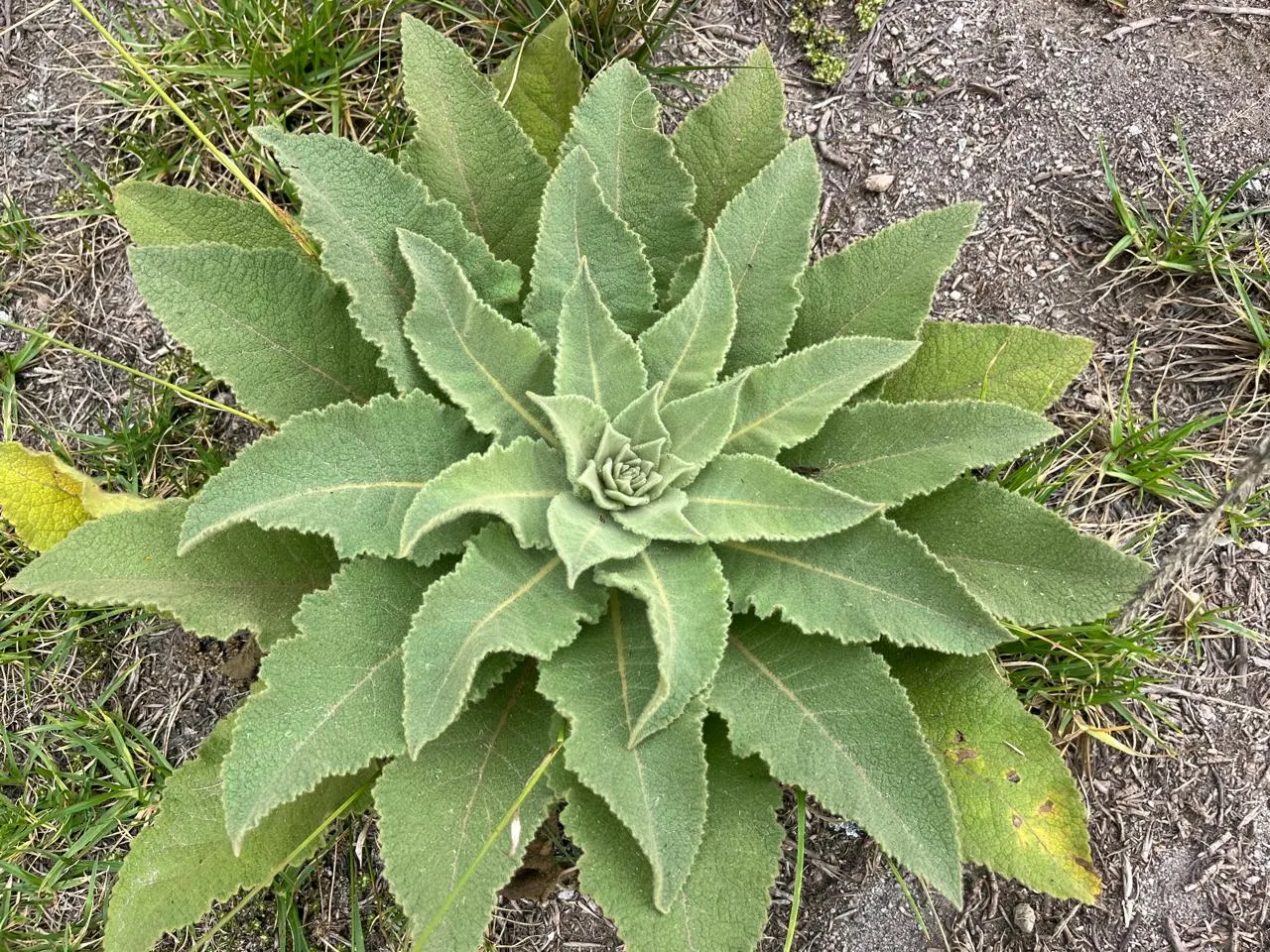
Discover Verbascum thapsus, known locally as gordolobo, a wild plant found in Caspigasi near Quito. Its soft leaves and natural growth reveal how native and adapted plants survive in the Equator region.
Read more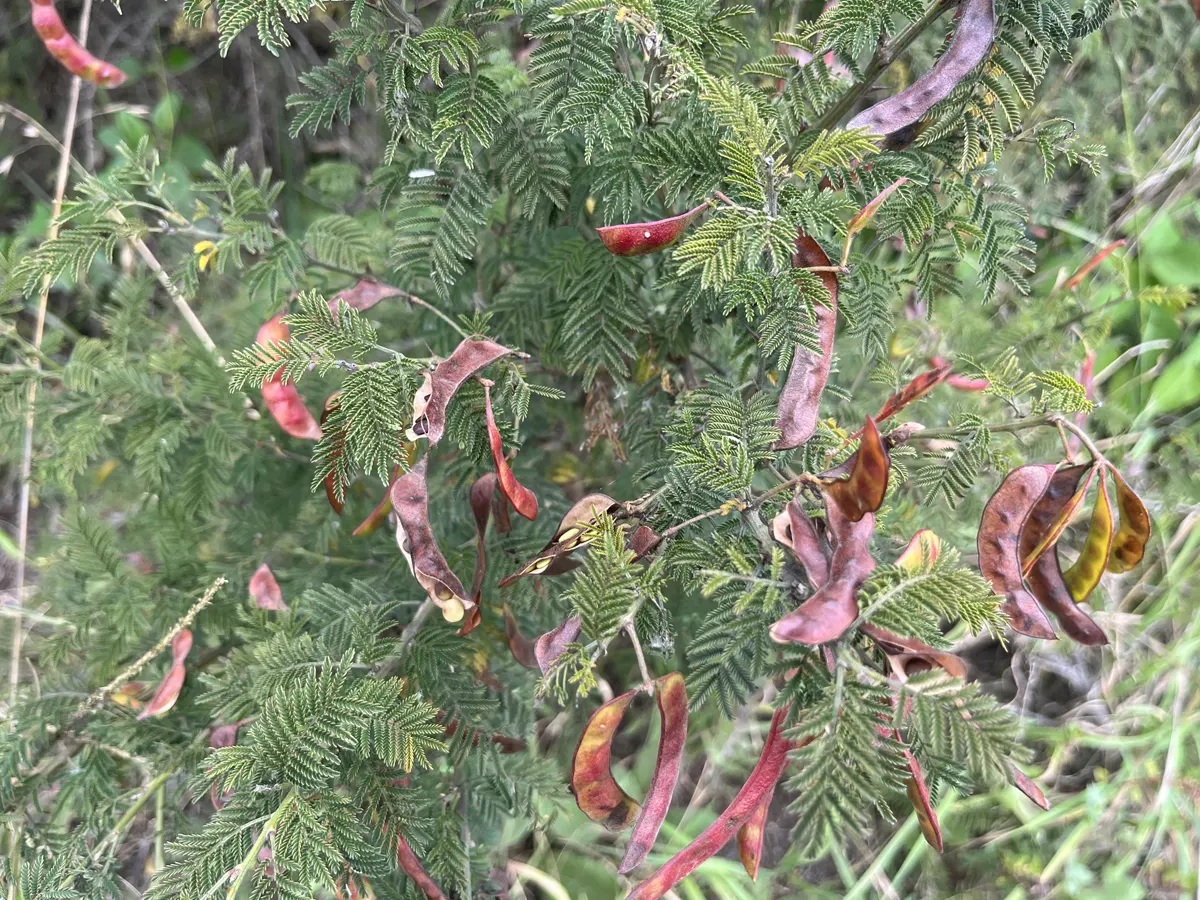
Some plants do more than just grow. In this area near Quito, certain native species naturally improve the soil by adding nutrients, helping other plants thrive. These quiet processes shape the landscape and reveal how ecosystems recover over time.
Read more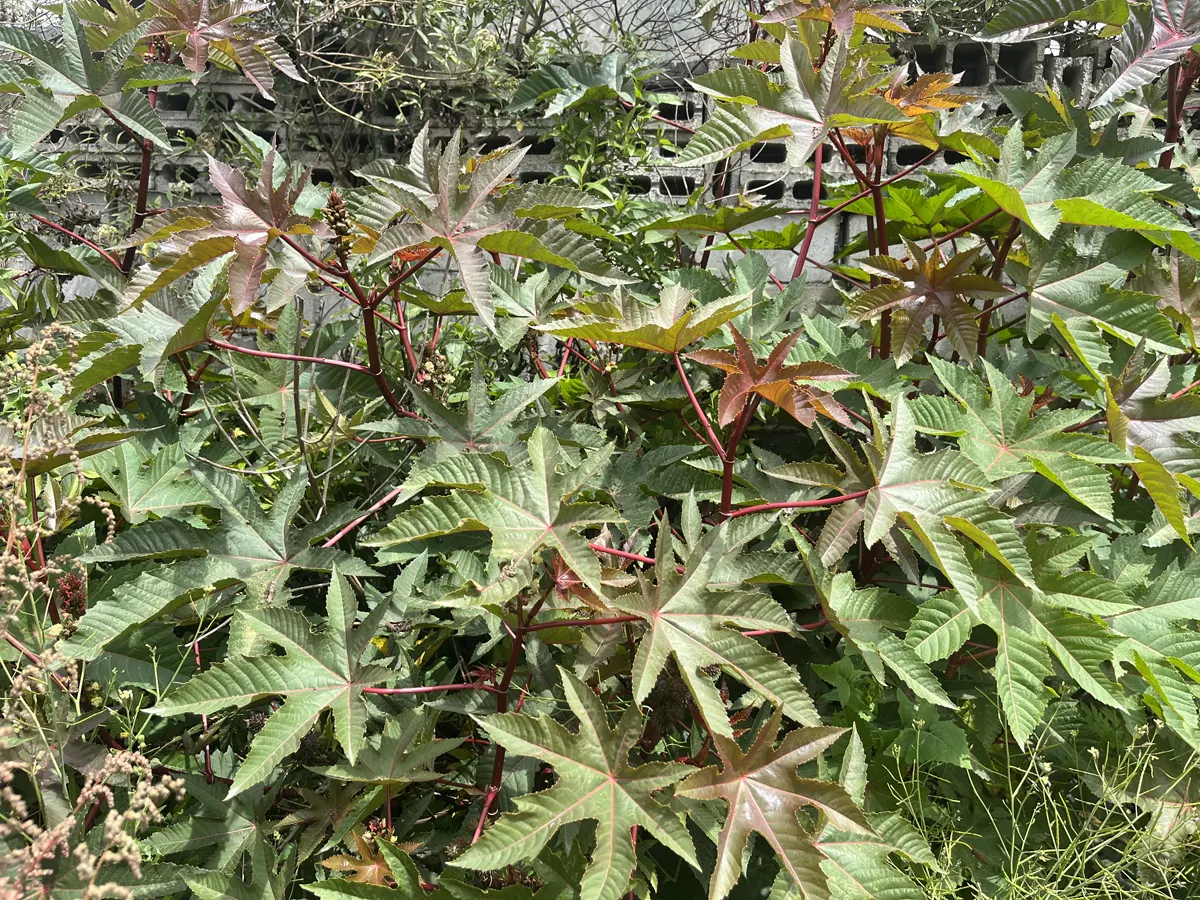
Some plants in this region near Quito are both useful and potentially dangerous. Ricinus communis, known as the castor oil plant, produces oil widely used around the world, yet its seeds are toxic. It reflects the balance and complexity of nature in the Equator region.
Read moreIf you enjoy wildflowers, native plants and exploring quiet places beyond the usual routes, Equator Nature Walk offers a more authentic way to experience the Equator region. This is a slower, more meaningful connection with nature, just outside Quito.